Drone services pricing is a balancing act.
You want to price yourself to be competitive and bring in new customers, but you don’t want to price so low that you’re leaving money on the table.
In this guide to drone services pricing we’ll walk you through everything you need to consider to get started.
Here’s a table of contents in case you’d like to jump around:
- Drone Service Pricing—Skill Level Estimates
- Pricing Models & Understanding the Cost Components of Drone Services
- Doing Research for Price Setting
- How to Raise Your Drone Service Rates
- Different Drone Services You Can Offer
Drone Service Pricing—Skill Level Estimates
Before we get into specific types of drone services, let’s start with a high level look at estimates for hourly and daily rates based on skill level.
Related read: Drone Pilot Salary: How Much Does a Drone Pilot Make? [New for 2025]
These estimates are meant to orient you around what to expect to make based on your level of skill.
So keep in mind that these ranges are presented without any consideration for your location, the specific type of service being offered, or other contextualizing information. This means you should just use them as general guidelines as you’re getting started, rather than follow them strictly as set rules.
Here are the charts:
Day Rate Estimates by Skill Level
| Experience Level | Price Range | Description |
|---|---|---|
| Beginner | $1,000 – $1,500 | Covers 8-10 hours of work, including flying, editing, and consultations. |
| Intermediate | $1,500 – $2,000 | Has a good portfolio and can handle longer projects with more requirements. |
| Expert | $2,000 – $2,500 | Can handle complex projects in challenging environments with high-end equipment. |
Hourly Rate Estimates by Skill Level
| Experience Level | Price Range | Description |
|---|---|---|
| Beginner | $100 – $200 | Ideal for short projects. Price can vary based on equipment and location. |
| Intermediate | $200 – $350 | Has a decent portfolio and some experience in various environments. |
| Expert | $350 – $500 | Extensive portfolio, high-end equipment, and experience in challenging environments. |
Other Factors that Influence Your Rate
Of course, your rate isn’t set by skill level alone. Here are some other key factors to consider when setting your hourly or daily rates:
- Equipment costs. Factor in the initial investment and maintenance costs of your drone and any specialized equipment like cameras or sensors.
- Operational costs. Consider expenses related to travel, setup time, and any additional staff needed for operating the drone.
- Insurance. Include the costs of liability and equipment insurance, which protect against accidents and damage.
- Licensing and permits. Account for any fees associated with obtaining necessary FAA certifications or local permits for commercial drone operations.
- Market demand. Analyze the demand for drone services in your area to determine competitive pricing that reflects local market conditions.
- Duration and complexity of the job. Consider the length and complexity of the project. More complex missions requiring extensive planning should command higher rates.
- Value of the service. Price your services based on the value they provide to the client, particularly if your work contributes significantly to the client’s objectives.
- Geographical location. Adjust your rates based on your geographic location, as operating costs and client budgets can vary significantly by region.
Pricing Models & Understanding the Cost Components of Drone Services
Drone service providers often use different pricing models to accommodate the diverse needs of their clients—and to protect themselves from undercharging.
Understanding these models can help clients choose the best option based on their project requirements and budget. Here’s an overview of the common pricing structures:
- Per project. This model is preferred for tasks with well-defined scopes and deliverables. It allows clients to budget for the entire project upfront, knowing the full cost without worrying about hourly rates or extended timelines.
- Per hour. Hourly pricing is ideal for projects that may have variable durations or for clients who require flexibility in how long they use the drone services. It provides a clear rate that is multiplied by the number of hours the drone is in operation.
- Subscription-based. Some providers offer subscription or retainer models where clients pay a set fee for a package of services over a period. This model is suitable for clients needing regular drone services, ensuring availability and consistent pricing.
- Per mile or area covered. Especially relevant for mapping and surveying projects, pricing can also be based on the area covered or miles flown. This method ensures clients pay directly for the coverage they need.
Each pricing model has its merits and can be selected based on the project type, frequency of service, and budget constraints. Transparent discussion with service providers about these options will lead to better alignment of expectations and service delivery.
Cost Components of Drone Service Pricing
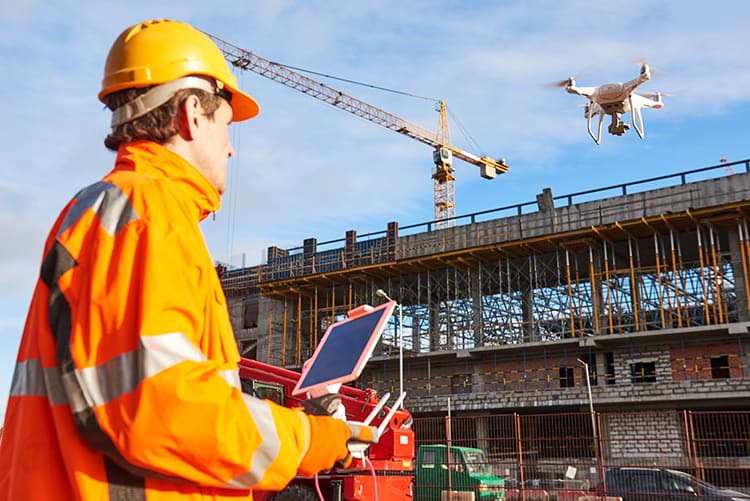
The pricing of drone services is influenced by several key cost components that contribute to the overall expense.
Here’s a breakdown of typical expenses involved in drone operations:
- Equipment cost.* The drone itself is the most substantial initial investment. High-quality drones equipped with advanced imaging and navigation technologies can be expensive. Maintenance and occasional repairs also contribute to the cost.
- Labor. Operating drones requires skilled personnel. This includes not only the pilots who maneuver the drones but often also a team that manages data collection, analysis, and technical maintenance.
- Licensing and training. Drone pilots must be certified under regulations such as the FAA’s Part 107 in the U.S. Training for these certifications and ongoing education to stay updated with the latest regulations also incur costs.
- Insurance. Insuring drones helps mitigate risks associated with their operation. Insurance costs can vary depending on the type of drone, its use case, and the coverage amount.
- Operational permits. Depending on the location and nature of the drone’s application, various operational permits may be required, which may involve additional fees.
- Software. Specialized software for flight planning, data processing, and image analysis is essential for delivering professional services. This software often requires licenses that can be a significant part of operational costs.
*Note: Need help buying equipment? Check out our guide to drone financing.
Understanding these cost components helps clients appreciate what goes into the pricing of drone services, ensuring transparency and aligning expectations with service providers.
Doing Research for Price Setting
Setting the right price for drone services involves thorough market research and a deep understanding of various cost factors.
Here’s how drone service providers can effectively research and set their pricing:
- Analyze the competition. Start by researching what other drone service providers are charging. Look at companies with similar services in your region to understand the going rates and identify your competitive edge.
- Understand cost structures. Break down your own costs including equipment, maintenance, insurance, and labor. Knowing your cost base will help ensure that your pricing covers expenses and generates profit.
- Survey potential clients. Gather feedback from current and potential clients about what they expect to pay and what services they value most. This can help tailor your pricing model to fit market demand.
- Monitor industry trends. Stay updated on changes in drone technology and regulations that could impact operational costs. Subscription to industry newsletters and participating in drone forums can provide valuable insights.
- Experiment with pricing models. Consider testing different pricing strategies, such as introductory rates or discounts for bulk services, to see what attracts the most clients and adjust based on feedback and profitability.
By conducting detailed research and continuously adjusting based on insights and market dynamics, drone service providers can set prices that attract clients while sustaining business growth.
How to Raise Your Drone Service Rates
Raising your rates as a drone service provider involves enhancing your skills, broadening your service offerings, and continually adapting to the market. Here’s how to effectively increase your rates while maintaining competitiveness and client satisfaction:
1. Develop New Services
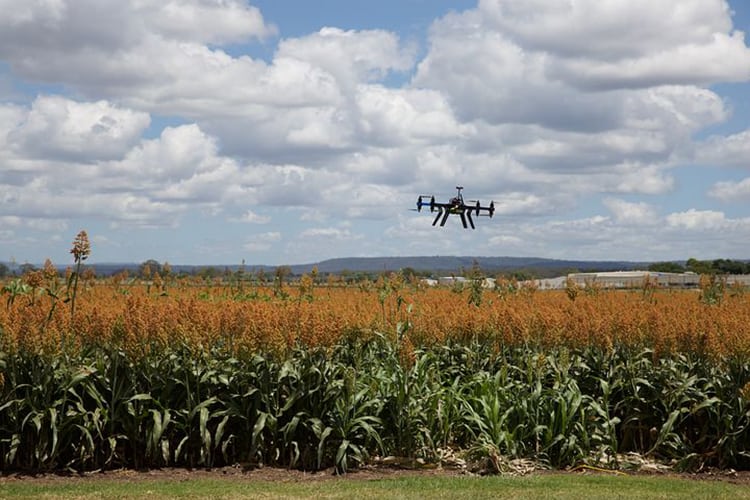
Diversify your offerings to include advanced services that command higher rates. Examples include drone mapping, aerial photography for real estate, infrastructure inspections, and agricultural monitoring, each requiring specific expertise and equipment that justify premium pricing. (Note that advanced services may require new drones, which could come at higher prices.)
2. Enhance Your Skills
Invest in honing your technical skills, including:
- Advanced flying techniques for complex environments
- Specialized software proficiency for data analysis
- Video editing skills for producing high-quality media
- Understanding of photogrammetry for precise map creation
3. Seek Continuous Training
Engage in ongoing training and certification to stay abreast of the latest drone technology and regulations. This not only enhances your credibility but also allows you to offer services compliant with current standards, thereby increasing your marketability and rate potential.
4. Realistic Rate Adjustment
Gradually increase your rates in alignment with the enhancement of your service quality and breadth. Communicate the value clearly to your clients, highlighting the direct benefits of the upgraded services to their specific needs.
By focusing on continuous improvement and aligning your pricing strategy with the value you deliver, you can effectively raise your rates and enhance your business’s profitability.

Different Drone Services You Can Offer
Here are some of the more common drone services people offer along with some high level ranges for what drone pilots charge for them.
Again, these ranges are meant to be used as general estimates, not specific amounts you should plan your drone business around. We encourage you to do your own research for your area, specific offerings, and skill level.
Drone Photography
Drone photography involves capturing still images from the air, ideal for real estate, weddings, and commercial advertising. Prices vary based on expertise:
- Beginner: $100 – $200 per hour
- Intermediate: $200 – $350 per hour
- Expert: $350 – $500 per hour
Drone Videography
Drone videography captures dynamic footage for documentaries, events, or promotional content. It requires more complex skills, affecting the price:
- Beginner: $150 – $250 per hour
- Intermediate: $250 – $400 per hour
- Expert: $400 – $600 per hour
Drone Mapping and Surveying
This service offers precise aerial surveys and 3D mapping, suitable for construction, agriculture, and mining. Pricing reflects the technical expertise required:
- Beginner: $200 – $300 per hour
- Intermediate: $300 – $450 per hour
- Expert: $450 – $700 per hour
Real Estate Drone Photography and Videography
Real estate drone services provide aerial visuals that enhance property listings, offering unique perspectives that capture the scale and context of properties:
- Beginner: $120 – $220 per hour
- Intermediate: $220 – $370 per hour
- Expert: $370 – $520 per hour
Agricultural Drone Services
Drone technology in agriculture aids in crop monitoring, irrigation management, and spraying, which increases efficiency and reduces costs:
- Beginner: $200 – $300 per hour
- Intermediate: $300 – $450 per hour
- Expert: $450 – $700 per hour
Inspection Services
Drone inspections are conducted for infrastructure, energy sectors, and large facilities, requiring high levels of accuracy:
- Beginner: $150 – $300 per hour
- Intermediate: $300 – $500 per hour
- Expert: $500 – $750 per hour
Learn about ways to make money with drones in our in-depth Drone Jobs guide.