What are drones used for today?
There isn’t a short answer. Drone applications have expanded far beyond the early days of UAV technology, when they were mainly used either by the military or to shoot aerial photos.
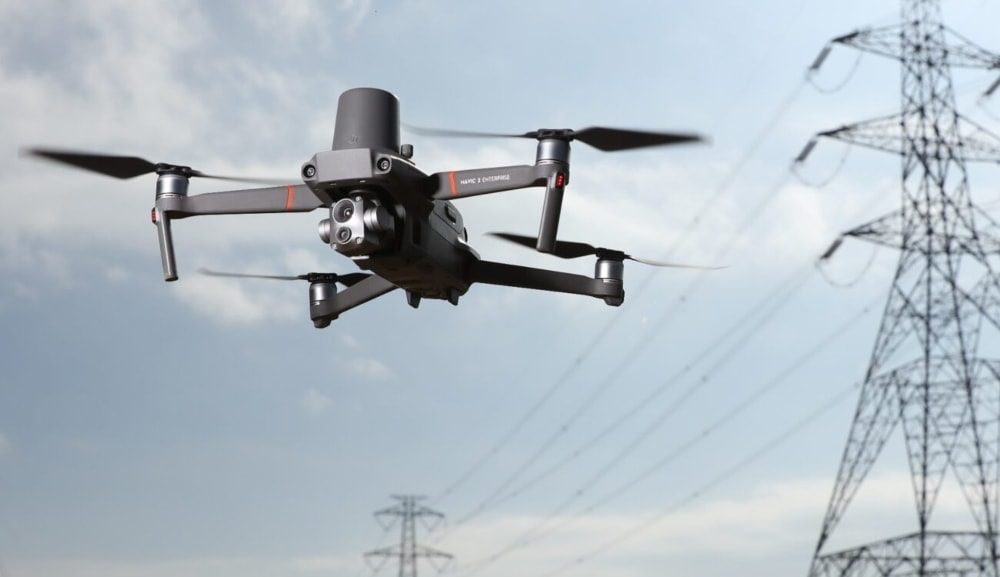
Now, you’ll find a huge range of drone uses all over the world.
In fact, it’s not a stretch to say that almost every industry you can think of uses drones in some way. (Or could! New uses cases are being created every day.)
Here are just a few examples of how drones are transforming industries:
- Industrial inspections. Drones can quickly and safely inspect infrastructure like powerlines, pipelines, and wind turbines, minimizing the need for manual labor in hazardous conditions.
- Emergency response. From search-and-rescue operations to disaster relief, drones provide critical support by accessing hard-to-reach areas and delivering lifesaving supplies.
- Agriculture. Agriculture drones equipped with multispectral sensors help farmers to monitor crop health, manage irrigation, and perform precision spraying, improving yields while reducing waste.
In this guide to drone applications we’ll cover these uses for drones in more detail, as well as the other top drone uses out there. We’ll also look at the benefits people are finding from using drones instead of traditional methods to get their work done.
Here’s everything we cover in this guide:
- Benefits of Drone Applications Across Industries
- Agriculture Drone Applications
- Construction Drone Applications
- Delivery & Logistics Drone Applications
- Emergency Response Drone Applications
- Environmental Monitoring Drone Applications
- Media, Film & Photography Drone Applications
- Industrial Inspections Drone Applications
- Security & Surveillance Drone Applications
- Drone Use & Applications FAQ
Agriculture Drone Applications

Precision agriculture relies on data-driven decisions to optimize farming operations.
Drones equipped with multispectral and thermal cameras help farmers analyze soil conditions, detect pest infestations, and assess plant health. This technology enables targeted interventions, reducing waste and maximizing productivity.
Here’s are the top drone uses in agriculture:
1. Crop Health Monitoring with Drone Technology
One of the most impactful drone applications in agriculture is crop health monitoring.
Using high-resolution imaging and AI-powered analytics, drones can detect early signs of disease, nutrient deficiencies, and water stress. This early detection allows farmers to take timely action, preventing crop loss and improving overall yield.
2. Precision Spraying and Pest Control
Drones equipped with advanced spraying systems can precisely apply fertilizers, pesticides, and herbicides.
Unlike traditional methods, drone-based spraying ensures even distribution, reduces chemical usage, and minimizes human exposure to hazardous substances. This method is particularly effective for treating hard-to-reach areas.
3. Irrigation and Water Management
Effective water management is crucial for sustainable farming.
Drones equipped with thermal imaging can detect moisture levels in soil and identify areas requiring irrigation. By optimizing water distribution, farmers can conserve resources and improve plant health while reducing overall water consumption.
4. Livestock Monitoring and Management
Apart from crops, drones play a vital role in livestock farming.
They help track herd movement, identify injured or sick animals, and monitor grazing patterns. This real-time data enables farmers to manage livestock more efficiently and ensure animal well-being.
Learn more about the FAA’s rule for agricultural drone operations, called the Part 137.
Construction Drone Applications

Modern construction relies on accurate data collection for better planning and execution.
Construction drones equipped with LiDAR, thermal imaging, and high-resolution cameras help construction teams survey land, track project progress, and inspect structures for maintenance.
Here are the top drone uses in construction:
1. Site Mapping and Land Surveying
One of the most valuable applications of drones in construction is aerial site mapping.
Drones can quickly generate accurate topographical maps and 3D models, helping engineers and project managers plan developments with greater precision. This reduces surveying time and eliminates costly errors in early project phases.
2. Progress Monitoring and Project Management
Construction managers use drones to track project progress over time, capturing real-time images and videos.
By comparing drone-generated data with project timelines, stakeholders can identify potential delays, streamline workflows, and ensure projects stay on schedule.
3. Structural Inspections for Safety and Maintenance
Drones play a key role in inspecting high-rise buildings, bridges, and infrastructure projects.
Instead of using scaffolding or manual inspections, drones can provide high-resolution imagery of hard-to-reach areas, detecting structural defects and safety concerns early. This remote data collection enhances worker safety while reducing inspection costs.
4. Reducing Risk in Hazardous Work Environments
Construction sites can be dangerous, especially in large-scale projects with heavy machinery and high elevations.
Drones help improve worker safety by monitoring hazardous zones, identifying safety violations, and ensuring compliance with regulations. By reducing the need for workers to enter risky areas, drones are helping to prevent accidents and injuries.
Delivery & Logistics Drone Applications
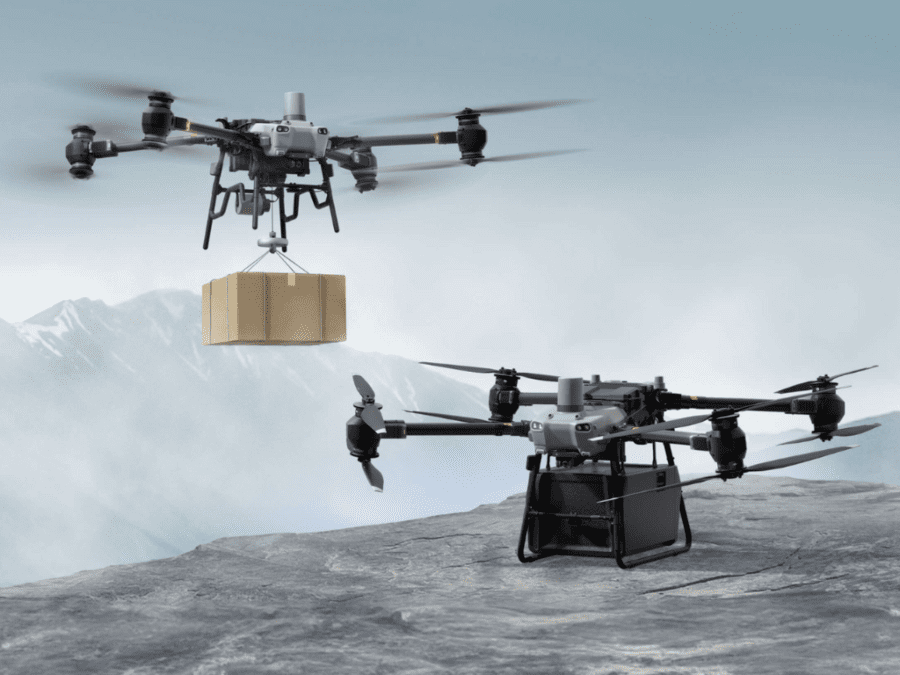
From last-mile delivery to supply chain optimization, drones are enabling businesses to reach customers and remote locations faster than ever.
Major companies like Wing and Zipline are already deploying drone delivery solutions to improve efficiency and customer service.
Here are the top drone uses in delivery and logistics:
1. Last-Mile Delivery Solutions
One of the most promising applications of drones in logistics is last-mile delivery.
By bypassing traditional road traffic, drones can deliver small packages directly to customers’ doorsteps in a fraction of the time it would take a delivery truck. This is especially useful for urgent deliveries like medicine, groceries, and e-commerce orders.
2. Medical Supply and Emergency Deliveries
Drones are playing a crucial role in delivering medical supplies to remote and underserved areas.
Companies like Zipline use drones to transport blood, vaccines, and essential medications to hospitals and clinics in rural regions, drastically improving access to critical healthcare resources.
3. Warehouse and Inventory Management
Large warehouses and distribution centers are using drones for inventory tracking and stock management.
Equipped with barcode scanners and AI-powered analytics, drones can scan inventory much faster than manual methods, improving accuracy and reducing operational costs.
4. Reducing Transportation Costs and Carbon Emissions
Traditional delivery methods rely heavily on fuel-powered vehicles, contributing to traffic congestion and pollution.
Drones offer an eco-friendly alternative, reducing transportation costs and lowering carbon emissions. By replacing short-distance truck deliveries with drones, companies can make logistics operations more sustainable.
Emergency Response Drone Applications
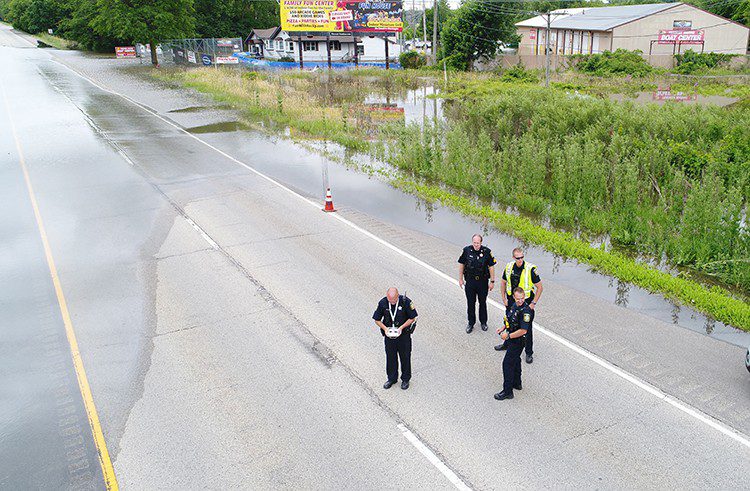
Drones play a critical role in emergency response and disaster relief, providing rapid assistance in situations where traditional methods may be too slow or dangerous.
From search and rescue operations to delivering medical supplies and assessing damage, drones are proving invaluable in crisis management.
Here are the top drone uses in emergency response:
1. Search and Rescue
One of the most crucial drone applications in real life is search and rescue.
Drones equipped with thermal imaging cameras, GPS, and real-time video feeds help locate missing persons in difficult-to-reach areas. They are especially useful in natural disasters, such as earthquakes and floods, where locating survivors quickly can mean the difference between life and death.
2. Disaster Relief
In the aftermath of disasters, drones assist relief organizations by delivering essential supplies such as food, water, and medicine to affected areas.
They are particularly effective in remote or inaccessible locations where roads may be blocked. For example, medical drones have been used to transport life-saving vaccines and blood supplies in regions affected by hurricanes or earthquakes.
3. Damage Assessment and Infrastructure Inspection
Drones provide a rapid and cost-effective solution for assessing damage in disaster-stricken areas.
By capturing high-resolution images and aerial footage, they enable emergency responders and governments to evaluate the extent of destruction and plan efficient recovery strategies. This is particularly useful for inspecting bridges, buildings, and power lines after hurricanes or wildfires.
4. Wildfire Monitoring and Suppression
With wildfires becoming more frequent, drones are being used to monitor fire progression, identify hotspots, and even deploy fire retardants.
They provide real-time situational awareness to firefighters, allowing them to strategize their efforts more effectively while minimizing risk to human personnel.
Environmental Monitoring Drone Applications
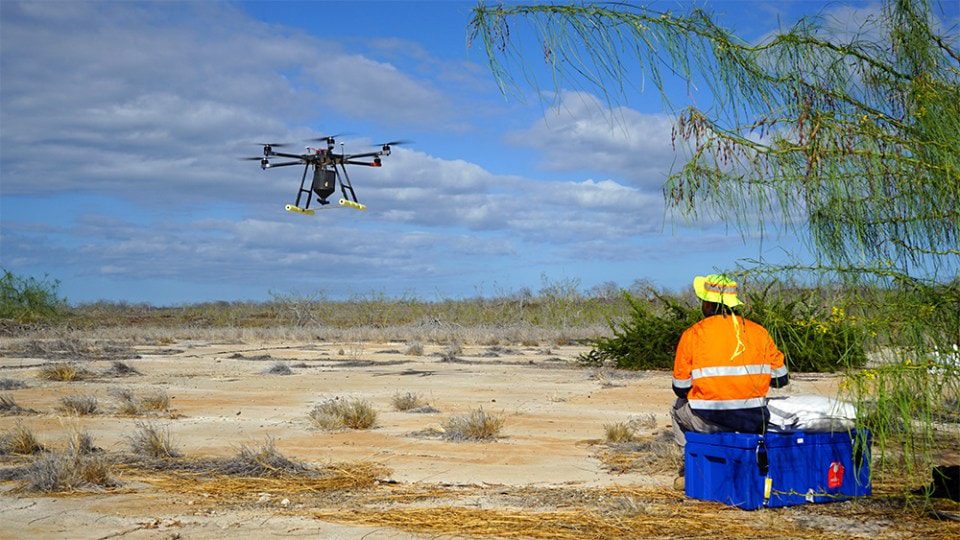
Drones are revolutionizing environmental monitoring by providing researchers and conservationists with an efficient way to collect critical data on ecosystems, climate change, and natural disasters.
By using drones, scientists and environmental agencies can track wildlife, monitor deforestation, and study climate change with greater accuracy and minimal environmental disruption. These applications are playing a crucial role in conservation and sustainability initiatives worldwide.
Here are the top drone uses in environmental monitoring:
1. Wildlife Tracking and Conservation
Drones are widely used to track wildlife populations and monitor endangered species without disturbing their natural habitats.
Equipped with thermal imaging and GPS, drones help researchers study animal migration patterns, prevent poaching, and assess biodiversity in remote regions.
2. Deforestation Monitoring and Land Management
Environmental agencies use drones to monitor deforestation and illegal logging activities.
By capturing real-time aerial images, drones provide valuable insights into forest health, enabling conservationists to detect changes and enforce protection measures.
3. Climate Change Research
Scientists are leveraging drones to gather critical data on climate change by monitoring glaciers, sea levels, and atmospheric conditions.
Drones equipped with sensors can measure greenhouse gas emissions, study changes in Arctic ice, and track the effects of extreme weather events.
4. Disaster Response and Environmental Damage Assessment
After natural disasters like hurricanes, floods, and wildfires, drones assist in assessing environmental damage and guiding recovery efforts.
They provide real-time data to emergency responders, helping them plan relief efforts and mitigate further ecological harm.
Media, Film & Photography Drone Applications

Drones have transformed the media and photography industry by making high-quality aerial imaging accessible, affordable, and more dynamic than ever before.
From Hollywood films to real estate marketing, drones provide stunning aerial perspectives that were once only possible with expensive helicopters and cranes.
Here are the top drone uses in media, film, and photography:
1. Aerial Cinematography and Filmmaking
Of course! As said in the introduction, this is one of the earliest—and still strongest—uses for drones.
Drones have become an integral part of filmmaking, allowing directors to capture cinematic aerial shots with ease. Whether for movies, commercials, or TV shows, drones provide smooth, dynamic footage that enhances storytelling and visual engagement.
2. Live Event Broadcasting
Sports events, concerts, and news coverage increasingly rely on drones for live aerial broadcasting. Drones offer real-time footage from unique angles, providing audiences with immersive views that enhance the overall viewing experience.
3. Real Estate Photography and Marketing
High-resolution drone footage has become a key selling tool in the real estate market. Drones are widely used in real estate to capture stunning aerial imagery of properties, offering potential buyers a better perspective of the location, surrounding area, and architectural details.
4. Sports and Adventure Videography
Extreme sports and adventure filmmakers use drones to track athletes in motion, whether they are surfing, skiing, or mountain biking. The ability to follow fast-moving subjects from above provides an exhilarating perspective that was once difficult to achieve.
Industrial Inspections Drone Applications

Drone inspections are revolutionizing industrial inspection practices by providing safer, faster, and more cost-effective ways to assess infrastructure, equipment, and hazardous environments.
Equipped with high-resolution cameras, thermal imaging, and LiDAR sensors, inspection drones can quickly identify structural issues, detect leaks, and monitor equipment conditions. By reducing the need for manual inspections in dangerous areas, drones are enhancing worker safety while streamlining maintenance processes.
Here are the top drone uses in industrial inspections:
1. Power Line and Utility Inspections
Utility companies use drones to inspect power lines, transmission towers, and substations without requiring workers to climb dangerous heights. Drones equipped with thermal cameras detect overheating components, allowing for preventive maintenance and reducing power outages.
2. Oil and Gas Infrastructure Monitoring
In the oil and gas industry, drones are used to inspect pipelines, storage tanks, and offshore rigs.
By identifying gas leaks, corrosion, and structural issues early, drones help prevent costly accidents and environmental hazards while reducing the need for human inspections in hazardous areas.
3. Building and Structural Inspections
Construction companies and engineers use drones to inspect bridges, skyscrapers, and industrial plants. Drones can access hard-to-reach areas, providing detailed imagery and 3D models that help identify cracks, material degradation, and other safety concerns.
4. Factory and Manufacturing Facility Inspections
Manufacturers use drones to inspect large factories and production lines, monitoring machinery, ventilation systems, and structural integrity. Drones help detect inefficiencies, reduce downtime, and ensure compliance with safety regulations.
Security & Surveillance Drone Applications

Businesses, law enforcement agencies, and government entities are using drones to improve situational awareness, deter criminal activities, and ensure public safety.
Equipped with thermal imaging, night vision for night ops, and AI-powered object tracking, security drones can patrol large areas, identify unauthorized access, and provide live intelligence to security teams. Their ability to operate autonomously and cover difficult terrain makes them an invaluable tool for modern surveillance.
Here are the top drone uses in security and surveillance:
1. Law Enforcement and Crime Prevention
Police departments use drones for crime scene analysis, suspect tracking, and real-time surveillance, including in DFR programs. Drones provide law enforcement with a bird’s-eye view of active situations, helping officers respond more effectively while reducing risks to personnel.
2. Perimeter Security for Businesses and Events
Businesses and event organizers deploy drones to monitor large properties, stadiums, and concert venues. Drones can autonomously patrol perimeters, detect unauthorized access, and provide security teams with instant alerts on potential threats.
3. Border Surveillance and Defense Applications
Governments and defense agencies use drones to secure national borders and restricted zones. With thermal cameras and AI-based motion detection, drones can identify illegal crossings, track intruders, and assist ground patrols in real-time.
4. Emergency Response and Disaster Security
Drones play a crucial role in disaster zones, providing security teams with live aerial intelligence. They help locate survivors, assess damage, and monitor public safety in the aftermath of natural disasters, riots, or large-scale emergencies.