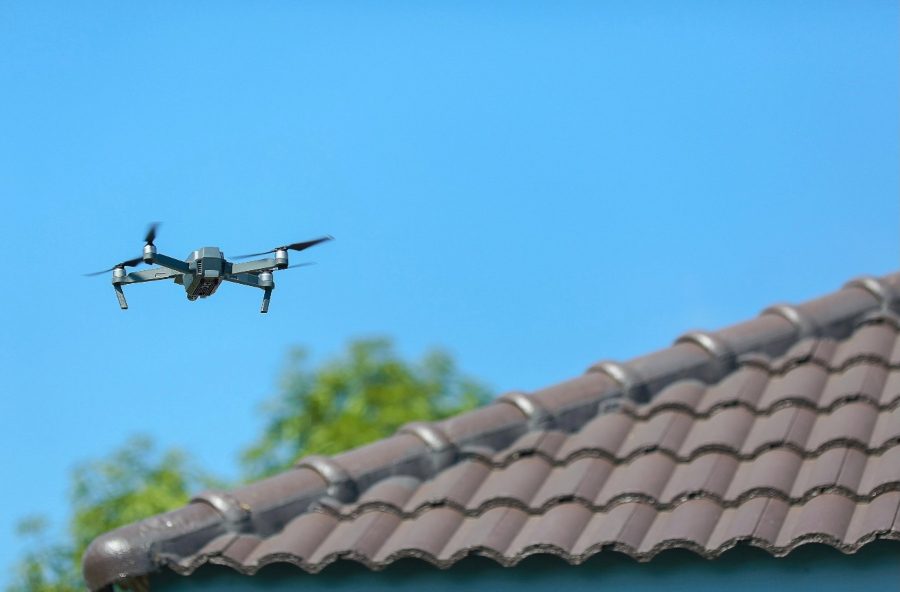
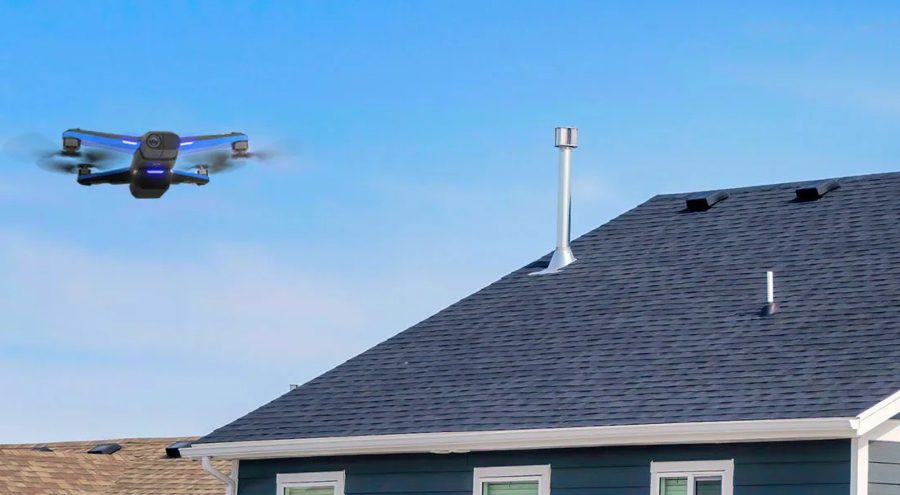
A drone roof inspection is a method of assessing a roof’s condition by using a drone equipped with high-resolution cameras and sensors.
Drones allow inspectors to capture detailed images and data of rooftops without the need for equipment like ladders or scaffolding (in the case of large buildings)—and without the need to physically go onto the roof.
These days, drone roof inspections are one of the most reliable types of drone work out there for commercial drone pilots.
In this guide we’ll cover how drone roof inspections work, jobs doing drone roof inspections, software for processing your data, and more. Here’s everything we cover in case you’d like to jump around:
- Step-by-Step Guide to Conducting a Drone Roof Inspection
- Drone Roof Inspection Jobs and Opportunities
- What to Look for in a Roof Inspection Drone
- Drone Roof Inspection Software and Data Analysis Tools
- Drone Roof Inspection Certification and Regulations
- 4 Main Benefits of Drone Roof Inspections
- 4 Types of Roof Inspections Best Suited for Drones
- Drone Roof Inspection FAQ
Step-by-Step Guide to Conducting a Drone Roof Inspection
Careful planning, precise data capture, and thorough reporting are all key elements of doing a good drone roof inspection.
[Related read: DJI Alternatives: A Comprehensive Guide for Drone Pilots]
Here’s a step-by-step guide, walking you through what to do before, during, and after the mission.
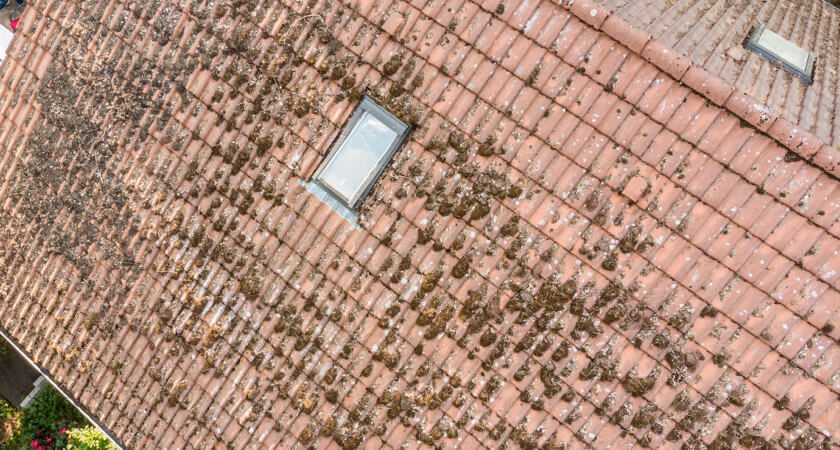
Still from a residential drone roof inspection | Credit: DJI
1. Pre-Flight Planning
Success starts before the day of the inspection—make sure to prepare to ensure a smooth operation. Here’s what to do:
- Site assessment. Visit the site or review satellite imagery to identify potential obstacles, restricted areas, and any challenges the site might present.
- Weather check. Monitor the weather forecast to ensure safe flying conditions. Wind, rain, or low visibility can affect data quality and flight stability.
- Flight plan. Create a flight plan outlining the specific areas to inspect, optimal flight altitude, and paths to cover the entire roof surface.
2. Equipment Setup
A key part of preparation is setting up your equipment before the mission, helping you make sure you get high-quality data when you fly.
- Drone calibration. Calibrate the drone’s compass, GPS, and sensors as needed to ensure accurate navigation and stable flight.
- Camera settings. Adjust camera settings, such as resolution and exposure, to match the lighting conditions and capture high-quality images or video.
- Battery check. Verify that batteries are fully charged and carry spare batteries if needed, especially for larger inspection areas.
3. The Flight—Focus on Data Capture
During the flight, focus on capturing comprehensive and accurate data across the roof’s entire surface.
- Systematic coverage. Follow the flight plan to systematically cover the roof, ensuring all areas are documented. Overlap images slightly to create a seamless map or model if needed.
- Close-up shots of key areas. Capture additional images of critical areas, such as drainage points, joints, or areas of visible wear, for a more detailed analysis.
- Thermal imaging (if applicable). If thermal imaging is part of the inspection, make sure the camera is set up to capture temperature variations, which can reveal issues like insulation gaps or water intrusion.
4. Right After the Flight—Focus on Data Quality Assurance
After the flight, before leaving the site make sure to review your data so you’re confident you have everything you need (the last thing you want is to have to go back!).
- Check for image clarity. Ensure all images and videos are clear, without motion blur, and that they accurately depict roof conditions.
- Verify coverage. Confirm that all areas of the roof were inspected according to the flight plan. Re-capture any missed or unclear sections.
5. In Your Office—Post-Inspection Analysis and Reporting
Analyze the data you collected to create a detailed inspection report for the client.
- Data processing. Use software to stitch images into an orthomosaic map or 3D model if required, providing a comprehensive view of the roof.
- Identify issues. Review images for visible issues, such as cracks, leaks, or debris, and highlight these in the report.
- Generate report. Create a report summarizing the findings, including images, measurements, and descriptions of any detected issues. Use clear, concise language and include recommendations if appropriate.
That’s it! These are the main steps for conducting a thorough drone roof inspection.
Drone Roof Inspection Jobs and Opportunities
As we mentioned above, there is a lot of work out there right now doing roof inspections by drone.
In this section, we’ll cover how much you can make doing these inspections, the industries where you can find drone roof inspection work, and different ways to go about getting hired.
How Much Can You Make Doing a Drone Roof Inspection?
Pay for a single drone roof inspection varies based on factors such as the property’s size, location, and the complexity of the inspection.
Related read: Drone Pilot Salary: How Much Does a Drone Pilot Make? [New for 2025]
That being said, here the pay ranges we see pretty consistently across the U.S.:
- Residential properties. Drone pilots typically earn between $100 and $300 per inspection.
- Commercial properties. These often involve larger areas and more detailed assessments, and therefore command higher fees, sometimes exceeding $500 per inspection.
It’s important to note that these rates can fluctuate depending on regional demand, the pilot’s experience, and the specific requirements of the job.
For instance, incorporating advanced technologies like thermal imaging or providing comprehensive reports may justify higher charges. It’s advisable for drone pilots to research local market rates and consider the scope of services offered when determining their pricing.
Industries Hiring for Drone Roof Inspections
Here are the main areas where you can find work doing drone roof inspections.
1. Real Estate Firms
Real estate companies often require roof inspections for property evaluations, especially when preparing homes for sale or conducting property appraisals. Drones provide a fast, cost-effective way to assess roof conditions and are highly sought after in the real estate market.
2. Insurance Companies
Insurance adjusters frequently need detailed roof inspections to evaluate claims following storms or other damage events. Drone inspections allow insurers to assess damage quickly and accurately, helping expedite claim processing and ensure fair evaluations.
Pro tip: This work is seasonal, and follows weather patterns. For example, hurricane season in areas that get hit by hurricanes will mean lots of insurance claims for roof damage. If you live in an area with seasonal bad weather—like Florida, for example—you can anticipate a higher volume of demand for drone roof inspections around that seasonality.
3 Construction Managers
Construction and roofing companies use drones to inspect roof installations, assess progress, and identify any potential issues on new or renovated buildings. Drones provide construction managers with high-resolution imagery that enhances project quality control and safety.
How to Find Work Doing Drone Roof Inspections
Finding work as a drone pilot specializing in roof inspections involves leveraging job boards, industry networks, and specialized platforms that connect drone operators with clients.
Here’s a short list of places to look for work doing roof inspections by drone:
1. FlyGuys
FlyGuys is a nationwide drone services network that connects certified drone pilots with clients across various industries, including roof inspections. By joining their network, you can access job listings for roof inspections and other aerial services, working on a contract basis with clients looking for skilled operators.
2. Zeitview (formerly DroneBase)
DroneBase is a platform that offers drone pilots access to commercial inspection jobs, including roof inspections. After signing up and completing the registration process, you can view available missions and apply for jobs directly through the platform.
3. Airborne Works
Airborne Works is a drone services company that contracts skilled drone operators for various projects, including roof and infrastructure inspections. By joining their network, you can gain access to a range of job opportunities and client connections tailored to commercial drone pilots.
Want more? Check out our master list of drone pilot directories and networks.
Want More Drone Job Resources?
Watch this video for some ideas on where to find work as a commercial drone pilot:
And if you’re looking for drone work more generally, here are a few other tips:
- Indeed is a popular job aggregator where you can search for drone roof inspection jobs by entering keywords like “drone roof inspection” or “drone pilot.” This platform offers a mix of full-time, part-time, and freelance opportunities, allowing you to filter by location and company.
- LinkedIn is a valuable tool for networking and job searching within the drone industry. By following drone service companies, joining industry groups, and setting up job alerts with keywords like “drone roof inspection” and “commercial drone pilot,” you can stay updated on new job postings and connect with potential clients or employers.
- Our drone jobs guide is a deep dive into all the places where people are finding work as a drone pilot right now.
What to Look for in a Roof Inspection Drone
Buying a drone to do roof inspection work? Here are the key things to look for:
- Camera resolution is essential for capturing the detailed imagery needed to identify roof issues like cracks, water damage, or wear. An inspection camera with at least 12 megapixels and 4K video capability is generally recommended.
- Flight stability is also crucial for roof inspections, as drones must often hover close to structures while maintaining a steady position to capture clear shots. Stability features, including GPS positioning and wind resistance, are important to ensure precise control during flights. The DJI Phantom 4 RTK, for instance, is known for its enhanced positioning accuracy, making it a popular choice for commercial property inspections where precision is key.
- Obstacle avoidance capabilities provide added safety, allowing drones to detect and avoid structures like chimneys, antennas, or HVAC units during a roof inspection. Models like the DJI Air 2S and Parrot Anafi USA come equipped with sensors that help the drone navigate safely around obstacles, reducing the risk of collisions and ensuring smooth operation in tight or complex rooftop environments.
- Advanced sensors (mainly thermal). For certain commercial roof inspections, advanced tools like thermal cameras or additional sensors can enhance data collection. But the majority of roof inspections will only require a visual sensor, so you won’t need this capability unless you’re trying to level up and provide thermal imaging.
Drone Roof Inspection Software and Data Analysis Tools
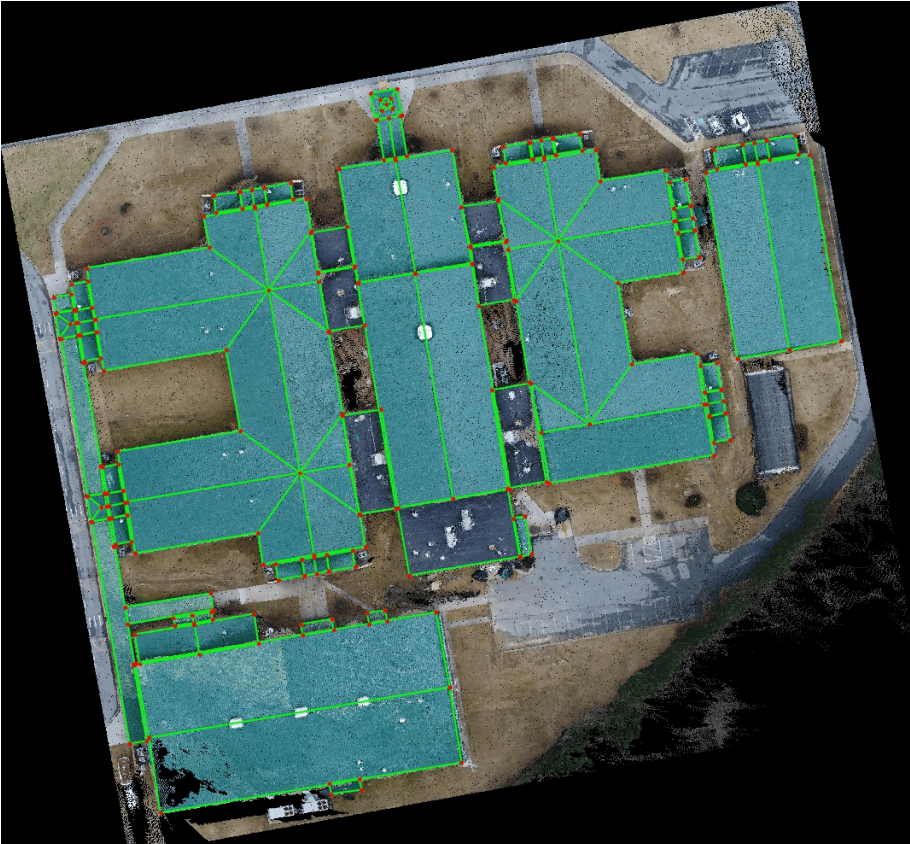
Drone roof inspection software is essential for turning your raw drone data into an actual report—which, in many instances, is the thing you’ll be delivering to clients.
Here are three of the most commonly used software solutions for drone roof inspections.
Credit: DroneDeploy
DroneDeploy
DroneDeploy is known for its user-friendly platform, which simplifies flight planning, data capture, and modeling. Designed to make aerial inspections accessible, DroneDeploy is popular among commercial drone operators for its comprehensive yet easy-to-use features.
- Automated flight planning for efficient, consistent data capture.
- 2D and 3D mapping capabilities for visualizing roof surfaces and structures.
- Cloud-based platform for seamless data sharing and collaboration with clients.
Visit the DroneDeploy website.
Pix4D
Pix4D is one of the biggest companies in the drone software space. It offers powerful photogrammetry and 3D mapping tools that enable highly accurate roof measurements and models. Its software is ideal for capturing fine details and creating in-depth reports, making it a top choice for detailed roof inspections and assessments.
- Advanced photogrammetry for precise 3D modeling of roof structures.
- Measurement tools for detailed analysis of areas, volumes, and dimensions.
- Customizable report generation tailored to specific inspection requirements.
Skycatch
Skycatch provides an industrial-grade solution for complex data processing and analysis, particularly suited for large-scale commercial projects. Its robust features make it popular for construction and industrial roof inspections that require high precision and data depth.
- High-resolution 3D modeling and elevation mapping for complex roofs.
- Data annotation tools for marking and analyzing areas of concern on the roof.
- Real-time data processing, ideal for quick analysis and immediate reporting.
Drone Roof Inspection Certification and Regulations
Do you need a special certification to do drone roof inspections? No, you don’t.
But you do need to be Part 107 certified. The FAA requires Part 107 certification—commonly called a drone license—for anyone doing commercial work with drones in the U.S.
Part 107 FAA Certification
The Part 107 certification is required for any commercial drone activity in the U.S., including roof inspections. To obtain this certification, drone pilots must pass a knowledge test covering topics such as airspace classifications, weather, drone operation rules, and safety regulations. The Part 107 certification allows pilots to legally operate drones for commercial purposes and is a crucial credential for any professional drone pilot.
- Knowledge of airspace and ability to recognize restricted zones.
- Understanding of weather factors that can impact drone flight.
- Compliance with FAA safety regulations to ensure responsible operation.
Additional Training for Roof Inspections
While the Part 107 certification is the only certification you need to do drone roof inspections, additional training can definitely enhance your skills, and potentially help you find more work.
Specialized courses in areas such as thermal imaging and structural assessment can be highly beneficial:
- Thermal imaging: Thermal cameras are often used in roof inspections to detect heat loss, water intrusion, and insulation issues. Training in thermal imaging helps pilots interpret temperature data accurately, providing valuable insights for clients.
- Structural assessment: Courses in structural assessment equip drone operators with the knowledge to identify and document common roof issues, such as cracks, leaks, and signs of wear, enhancing the value of their inspection reports.
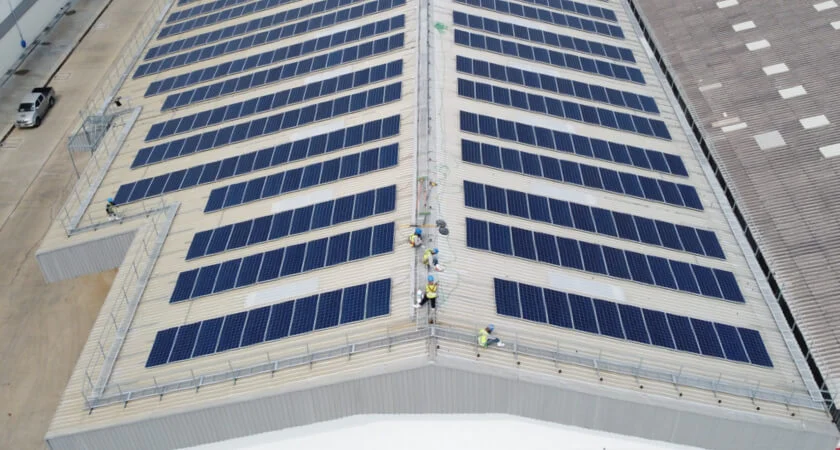
Still from a commercial drone roof inspection | Credit: DJI
4 Main Benefits of Drone Roof Inspections
Using a drone for roof inspection offers several key advantages over traditional methods, making it an increasingly popular tool across industries. Here are some of the main benefits.
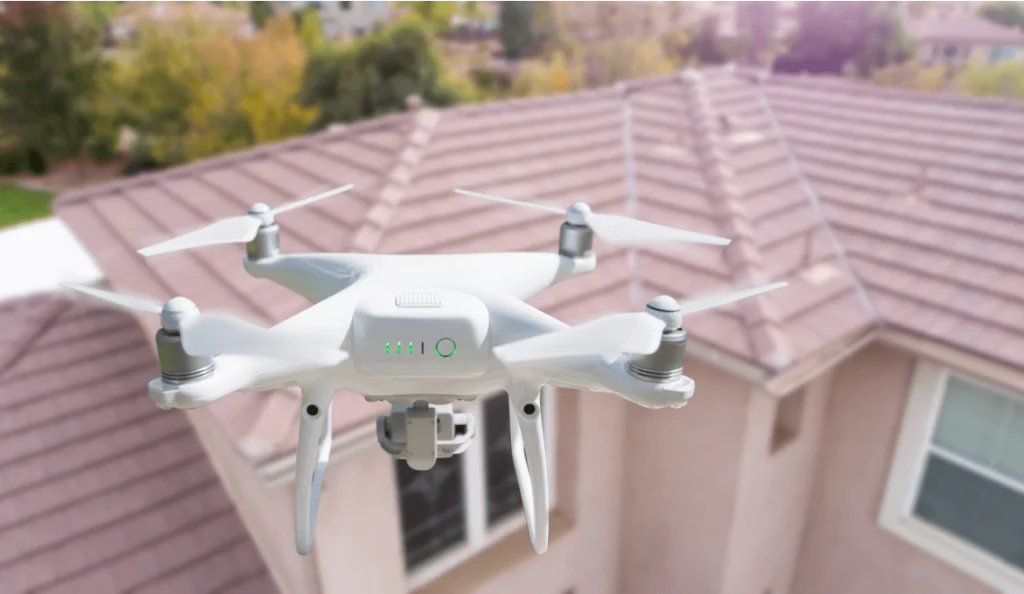
Credit: DJI
1. Faster Data Collection
Drones can cover large areas quickly, capturing comprehensive visual data in a fraction of the time it takes with manual inspections. This efficiency is particularly valuable for inspecting commercial buildings with extensive rooftop areas, helping reduce operational downtime and allowing for more frequent inspections to catch issues early.
2. Enhanced Safety
Traditional roof inspections involve working at heights, which poses significant risks. By eliminating the need for personnel to access potentially hazardous areas, drones reduce the risk of injury. This is especially useful for inspecting hard-to-access structures, such as tall office buildings or industrial facilities with complex rooftops.
3. Superior Data Quality
Equipped with high-resolution cameras and, in some cases, thermal imaging, drones can capture detailed images that reveal issues like leaks, water damage, or structural weaknesses. For example, after a storm, a drone can quickly survey the roof for damage, providing precise data that enables timely repairs and informed decision-making for property managers and insurers.
4. Cost Efficiency
Drone inspections eliminate the need for ladders, scaffolding, lifts, and other equipment typically required for manual inspections, leading to lower inspection costs. Additionally, because drones can inspect large areas faster, they reduce labor costs, making them a cost-effective solution for routine roof assessments and proactive maintenance.
4 Types of Roof Inspections Best Suited for Drones
Drones are particularly effective for a range of roof inspection scenarios, providing a safe and efficient alternative to traditional inspection methods.
Here are some of the most common types of roof inspections where drones are especially helpful.

1. Steep-Pitched Roof Inspections
Inspecting steep-pitched roofs can be hazardous and challenging using manual methods. Drones allow inspectors to safely capture detailed images of high, angled roofs without the need for ladders or scaffolding. This makes drone inspections ideal for buildings with steep, complex roof structures, as the drone’s maneuverability and high-resolution cameras provide a clear view of hard-to-reach areas.
2. Commercial Building Rooftops
Commercial buildings often have expansive rooftops that require extensive inspection. Drones enable rapid coverage of large roof areas, making it easier to identify issues like water pooling, HVAC unit damage, or structural wear. Clients in commercial property management, retail, and industrial sectors frequently seek drone services for routine inspections, as they save time and minimize the need for costly access equipment.
3. Post-Storm or Severe Weather Inspections
After severe weather events like storms, hurricanes, or hail, property managers and insurance companies often need rapid assessments to document damage. Drones can be deployed quickly to inspect residential and commercial roofs, capturing clear images that reveal damage such as missing shingles, leaks, or debris. This allows for timely repairs and accurate insurance claims, making drones a preferred option for post-storm inspections.
4. Residential Roof Inspections
Drones are also highly effective for residential roof inspections, providing homeowners and real estate agents with a fast, safe way to assess roof conditions. Whether it’s for routine maintenance, pre-sale inspection, or following a weather event, drones allow for a thorough assessment without the risks associated with climbing onto the roof. Real estate professionals and homeowners alike benefit from the precision and convenience drones offer.
Drone Roof Inspection FAQ
This Drone Roof Inspection FAQ answers some of the most common questions about drone roof inspections, from understanding the basics to exploring career opportunities in this growing field.
What is a drone roof inspection?
A drone roof inspection is a method of assessing the condition of a roof using a drone equipped with cameras and sensors. Drones capture high-resolution images and data from above, allowing inspectors to evaluate the roof without physically accessing it, which improves safety and efficiency.
What are the benefits of using a drone for roof inspection?
Drone roof inspections provide several benefits, including faster data collection, enhanced safety by reducing the need for climbing, detailed imaging capabilities, and cost efficiency. They are ideal for inspecting large or difficult-to-access roofs and can provide more comprehensive data than traditional methods.
How much can I earn from drone roof inspection jobs?
Income for drone roof inspection jobs varies depending on the job complexity, location, and client type. Residential inspections typically range from $100 to $300 per inspection, while commercial inspections can command higher rates. Experienced drone pilots may find additional income opportunities by working with specialized clients like insurance companies and construction firms.
What certifications, if any, are needed for drone roof inspections?
In the U.S., commercial drone operators are required to hold a Part 107 certification from the FAA, which allows them to legally operate drones for commercial purposes. Additional training, such as thermal imaging or structural assessment, can also be beneficial for drone roof inspections.
Who hires for drone roof inspection jobs?
Clients hiring for drone roof inspection jobs include real estate firms, insurance companies, construction managers, property management companies, and occasionally individual homeowners. These clients rely on drone inspections for accurate, efficient assessments of roof conditions.
Can drones detect roof damage after a storm?
Yes, drones equipped with high-resolution cameras and, in some cases, thermal imaging sensors can detect damage caused by storms, such as missing shingles, leaks, and insulation issues. Post-storm inspections are a common use case for drones in both residential and commercial settings.
What types of drones are used for roof inspections?
Drones used for roof inspections typically have high-resolution cameras, GPS stability, and obstacle avoidance features. Popular models for this work include the DJI Mavic 2 Pro, DJI Phantom 4 RTK, and Autel EVO II. Drones with thermal imaging, like the DJI Mavic 2 Enterprise Dual, are also commonly used for specific types of inspections.
How long does a typical drone roof inspection take?
A typical drone roof inspection for a residential property can take anywhere from 20 to 45 minutes, depending on the roof’s size and complexity. Larger commercial inspections may take longer but are still faster than traditional inspection methods.
Is special software needed for drone roof inspections?
Yes, drone roof inspection software like DroneDeploy, Pix4D, or Skycatch is often used to capture, process, and analyze data from the inspection. These tools assist in creating 3D models, orthomosaic maps, and detailed reports, impro