A drone can cost anywhere from $23 all the way up to $60,000 or more.
- Toy drones cost about $25 to $250.
- Beginner camera drones cost about $500 to $3,000.
- Prosumer drones cost about $1,500 to $9,000.
- Professional drones cost about $9,000 to $20,000, but can range all the way up to $60,000 or even more depending on the specific drone and the payload(s) you need.
Whether you’re a hobbyist looking for an affordable beginner drone or a professional in search of high-end equipment, we made this guide to help you break down what you can expect to spend on a drone and what factors influence drone prices.
By the end of this guide, you’ll have an understanding of how much drones cost across the board, allowing you to choose the best one for your needs.
Here’s everything we cover in case you’d like to jump around:
- Drone Price Comparison Table
- Consumer Drones: How Much Do Drones Cost for Beginners?
- Prosumer Drones: High-Performance Options for Enthusiasts and Professionals
- Professional Drones: Drones Made for Specific Applications
- Custom and DIY Drones: How Much Does It Cost to Build a Drone?
- Maintenance, Repair, and Upgrades: Additional Costs of Drones
- Drone Pricing FAQ
Drone Price Comparison Table
Want to start a drone business?
If you’re here to get a baseline for drone prices to build a budget for your drone business, we recommend budgeting about $2,000 to $3,000 for a drone. For that amount, you can buy a DJI Mavic 3 (or a drone of comparable quality), which is one of the most solid prosumer options on the market right now.
[Related read: DJI Alternatives: A Comprehensive Guide for Drone Pilots]
Want to fly for fun?
If you’re just trying to get aerial shots for fun, you could spend as little as $200 and get a selfie drone with a decent camera. ($200 is how much the DJI Neo costs, and it can essentially fly itself to let you capture aerial stills and video for your own purposes.)

The DJI Inspire 3
Here’s a table with the average cost of drones across different categories, the table below summarizes drone prices based on purpose, features, and capabilities.
| Drone Category | Typical Price Range | Description |
|---|---|---|
| Beginner Drones | $50 – $300 | Entry-level drones for casual use, often with basic cameras and simple controls. Ideal for new users learning to fly. |
| Consumer Drones | $300 – $1,500 | Mid-range drones with improved camera quality, GPS, and stable flight features. Popular among hobbyists and enthusiasts. |
| Professional Drones | $1,500 – $10,000 | High-end drones with advanced imaging, longer flight times, and precision control. Suitable for commercial uses like photography and inspections. |
| Specialty Drones | $10,000 – $50,000+ | Drones equipped with specialized sensors (e.g., thermal, LIDAR) for industrial and scientific applications, including surveying and agriculture. |
| Custom & DIY Drones | $100 – $5,000+ | Custom-built drones with variable costs depending on components and features. Ranges from basic DIY kits to advanced builds for specific uses. |
Note: This table provides a general overview of costs, but actual drone prices will vary based on specific features, brand, and quality.
3 Factors That Influence Drone Prices
From consumer models to professional drones and custom-built options, specifications such as camera quality, battery life, range, and software integration significantly affect how much drones cost.
Here are the three main factors that impact the price of a drone.
1. Camera Quality
Camera quality has a big impact on a drone’s price, especially for drones used in photography, videography, and industrial inspections.
Drones with high-resolution cameras, such as 4K or even 8K, and features like optical zoom, HDR, and stabilization, tend to be more expensive due to the advanced imaging capabilities they offer.
- Entry-level drones. Typically come with basic cameras, often 720p or 1080p resolution, which is sufficient for casual photography but lacks professional detail. These drones are generally under $500.
- Professional drones. Often equipped with 4K or higher resolution cameras and professional-grade gimbals. These features make them suitable for detailed aerial photography and cinematography, with prices ranging from $1,500 to $10,000 or more.
- Specialty imaging drones. Drones with thermal imaging, multispectral, or LIDAR capabilities are used in fields like agriculture, inspections, and emergency response. These advanced cameras and sensors increase costs significantly, often starting at $10,000 and higher. Big drones can cost even more—these are heavy-lift platforms made to carry spraying devices or heavy cameras.
2. Battery Life and Range
A drone’s battery life and range impact both its performance and price.
Drones with longer battery life and greater range allow for extended operations, which is particularly valuable for commercial and industrial applications. High-capacity batteries and long-range capabilities, however, increase production costs, which is reflected in the price of the drone.
- Consumer drones. Most consumer drones have a flight time of 15 to 30 minutes per battery charge and a range of up to 5 kilometers. These drones are generally priced from $300 to $1,500.
- Professional drones. Designed for industrial use, these drones may offer 45 minutes or more of flight time and can travel up to 10 kilometers or beyond. Advanced battery systems and long-range transmitters drive costs upward, often resulting in prices between $2,000 and $10,000.
- Extended endurance drones. High-endurance drones used in surveying, mapping, or monitoring can stay in the air for hours, typically powered by specialized batteries or fuel cells. These models are generally custom-built or highly specialized, with prices reaching $20,000 or more.
3. Software and Control Systems
Advanced software and control systems are integral to the functionality and safety of modern drones, particularly in commercial and industrial settings.
Features like GPS integration, obstacle avoidance, autonomous flight modes, and data analytics software not only enhance the capabilities of a drone but also increase its price.
- Basic consumer drones. Often come with simple control systems and limited automation, such as basic GPS for stability. These drones are generally affordable, priced below $500.
- Mid-range and professional drones. These drones frequently include GPS, return-to-home functionality, and flight stabilization. More sophisticated systems with obstacle avoidance, precision mapping, and autonomous capabilities can range from $1,000 to $5,000.
- Advanced commercial drones. Drones used in industrial applications may incorporate custom software solutions for data analysis, precision agriculture, inspection, or 3D mapping. These advanced features add a premium, with prices often reaching $10,000 or more.
Consumer Drones: How Much Do Drones Cost for Beginners?
For those new to drones or looking for a drone to fly for fun, the consumer drone market has a wide range of options with a range of prices. (You can also use some consumer drones for work, though as you get more experienced you’ll probably want to level up to a prosumer model.)
Understanding these options can help you find the best value while ensuring you get a drone that meets your needs.
In this section, we’ll break down the typical costs associated with entry-level, mid-range, and high-end consumer drones, giving you a clearer idea of how much a good drone costs for beginners and enthusiasts.
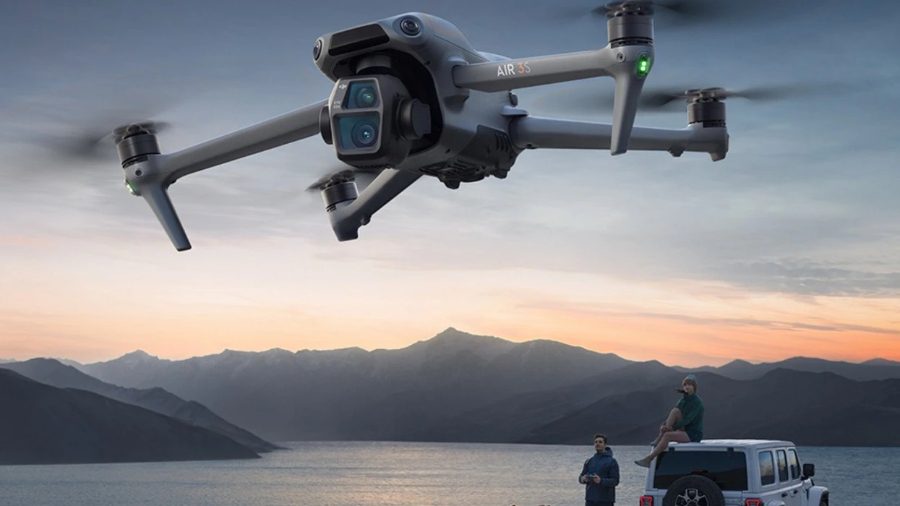
The DJI Air 3S
1. Entry-Level Drone Prices
Price range: $50 to $200
Entry-level drones are perfect for beginners who want to explore the basics of flying without making a large investment.
These drones typically come with essential features such as basic cameras, simple controls, and limited flight stability. While they may lack the advanced features of higher-end models, entry-level drones are ideal for learning the basics and getting comfortable with flying.
2. Mid-Range Consumer Drone Prices
Price range: $300 to $800
For those looking to capture higher-quality footage or enjoy a more stable flying experience, mid-range consumer drones offer significant upgrades.
These drones often come with features like improved camera quality, GPS functionality, and longer battery life. Popular models in this range, such as DJI’s Mini and Air series, provide a balance of quality and affordability, making them excellent choices for hobbyists looking for better performance without breaking the bank.
3. How Much Does a Good Drone Cost for Enthusiasts?
Price range: $500 to $1,500
Enthusiast-level consumer drones typically offer the highest quality and features available in the consumer market.
These drones often come with high-resolution cameras, obstacle avoidance systems, and advanced flight modes, making them suitable for amateur photographers or videographers seeking professional-grade footage. Models like the DJI Mavic Air 2 and Autel EVO Lite+ fall into this category, providing excellent value for those who want a premium flying experience without moving into the professional price range.
Prosumer Drones: High-Performance Options for Enthusiasts and Professionals
Prosumer drones come equipped with powerful cameras, enhanced flight capabilities, and intelligent features that appeal to serious hobbyists and professionals alike.
In this section, we’ll break down the typical costs associated with entry-level, mid-range, and high-end prosumer drones, giving you a clearer idea of how much a capable and high-quality drone costs for enthusiasts and light professional use.
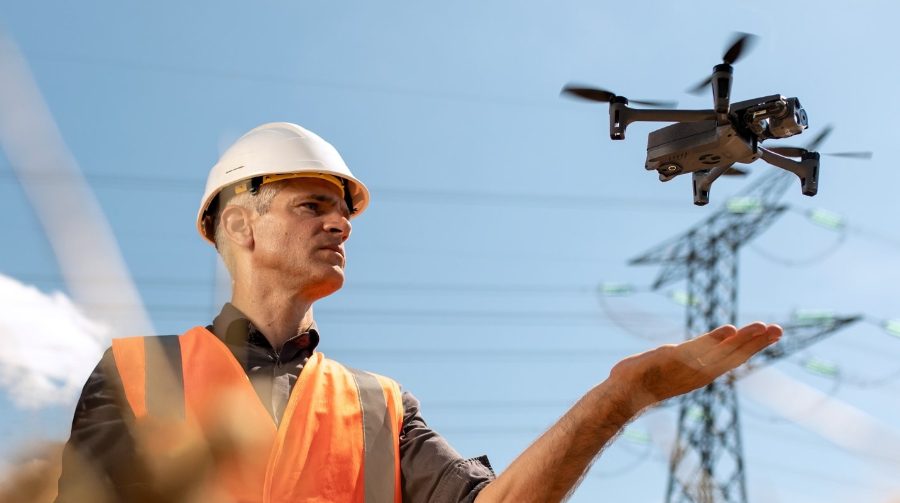
The Parrot Anafi USA
1. Entry-Level Prosumer Drone Prices
Price range: $1,500 to $3,000
Entry-level prosumer drones are ideal for those looking to move beyond basic consumer models but who don’t yet need high-end commercial capabilities. These drones typically come with high-resolution cameras (up to 4K), obstacle avoidance systems, and advanced GPS features, making them suitable for semi-professional photography, videography, and mapping tasks.
Example models:
- DJI Mavic 3. Features a 4/3 CMOS Hasselblad camera, 46 minutes of flight time, and omnidirectional obstacle sensing, making it ideal for high-quality aerial photography and videography.
- Autel EVO II Pro. Offers 6K video recording, a 1-inch sensor, and adjustable aperture, catering to professionals seeking high image quality without a steep learning curve.
2. Mid-Range Prosumer Drone Prices
Price range: $3,000 to $6,000
Mid-range prosumer drones provide additional capabilities, including better flight stability, longer range, and even more sophisticated imaging options. These drones often feature interchangeable lenses or payloads, extended battery life, and more advanced software for precision flying and image capture, making them suitable for industrial applications and demanding creative projects.
Example models:
- Anzu Robotics Raptor. This drone offers a 4/3 CMOS 20MP wide-angle camera with 56x hybrid zoom, up to 45 minutes of flight time, and advanced obstacle avoidance, making it ideal for mapping, inspections, and public safety missions.
- DJI Mavic 3 Enterprise. Equipped with a high-resolution wide-angle camera, RTK module for precision mapping, and advanced thermal imaging options, this drone is tailored for industrial inspections, surveying, and public safety operations.
3. High-End Prosumer Drone Prices
Price range: $6,000 to $9,000
High-end prosumer drones are at the peak of this category, offering features such as dual-camera systems, extended flight ranges, and advanced sensor integrations. These models can perform complex operations, including detailed inspections, 3D mapping, and professional-grade cinematography, without the full investment required for commercial drones. They’re perfect for professionals who need top-tier performance without moving into the commercial or enterprise category.
Example models:
- DJI Matrice 350 RTK. DJI Matrice 350 RTK: Built for industrial-grade applications, this drone offers enhanced flight stability, long-range transmission, and compatibility with multiple payloads, making it ideal for inspections, mapping, and public safety missions.
- Parrot Anafi USA. Designed for tactical and industrial use, this drone features thermal imaging, 32x zoom, and a rugged, weather-resistant build, making it ideal for inspections, surveillance, and search and rescue operations.
Prosumer drones bridge the gap between consumer-grade models and full-scale commercial drones, offering powerful features and flexibility for enthusiasts and professionals alike. Whether you need advanced imaging, extended flight capabilities, or enhanced control features, prosumer drones provide the tools you need for a wide range of applications.
Professional Drones: Drones Made for Specific Applications
Professional drones are engineered for specific applications that require advanced capabilities like thermal imaging, LIDAR, and long-range flight.
These drones are typically used in challenging environments, from search and rescue operations to complex infrastructure inspections, and their specialized features add to the cost.
In this section, we’ll explore how expensive drones can be when equipped with these high-end capabilities and provide examples of prices for these specialty professional drones.
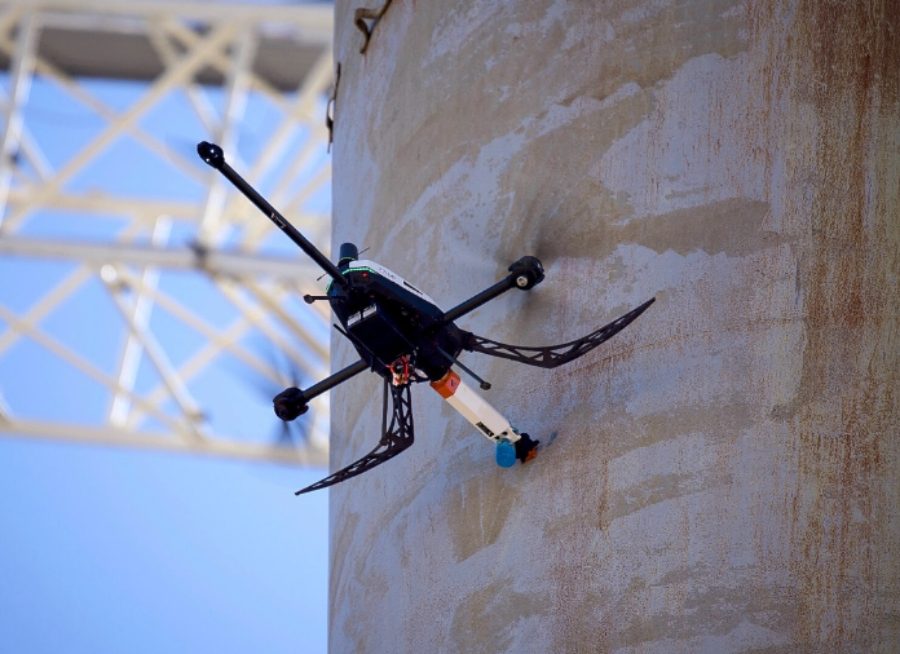
The Voliro T5 inspection drone
How Much Does a Professional Drone Cost for Different Industries?
The cost of professional drones varies widely based on the industry and the required specifications. Below is an overview of various industries and the typical price ranges for drones used within them, along with examples of suitable models.
1. Agriculture Drones
Price range: $3,000 to $15,000
Drones used in agriculture often have specialized sensors for monitoring crop health and assessing soil conditions.
Example drones:
- DJI Agras T40. A high-capacity drone designed for large-scale agricultural operations, featuring advanced spraying systems and multispectral imaging.
- Parrot Bluegrass. Tailored for precision agriculture, offering multispectral and RGB imaging for crop analysis.
2. Surveying and Mapping Drones
Price range: $5,000 to $20,000
High-precision drones equipped with LIDAR or high-resolution imaging for mapping purposes are essential for construction, land development, and environmental monitoring.
Example drones:
- DJI Matrice 300 RTK. Offers high-precision RTK positioning and compatibility with various payloads, suitable for detailed surveying tasks.
- senseFly eBee X. A fixed-wing drone known for its endurance and accuracy, ideal for large-area mapping.
3. Inspection Drones
Price range: $10,000 to $90,000+
Drones for industrial inspections, such as in oil, gas, or utility sectors, often feature specialized sensors, long battery life, and durability for harsh environments.
Example drones:
- Voliro T Version 5. Engineered for industrial inspections, this drone features real-time 5G data transfer, a triple-redundant flight controller for enhanced stability, and compatibility with various non-destructive testing (NDT) sensors, making it ideal for challenging environments.
- Skydio X2. Features autonomous navigation and 360-degree obstacle avoidance, suitable for complex inspection tasks.
4. Aerial Photography and Videography Drones
Price range: $2,000 to $10,000
In fields like cinematography, real estate, and media production, drones used for aerial photography and videography must deliver high-quality footage and offer advanced control features. These drones come equipped with 4K or even 8K cameras, stable gimbals, and precision controls that allow for cinematic-quality footage, making them ideal for professional filmmakers and content creators.
Example drones:
- DJI Inspire 3. A professional-grade drone offering 8K video recording and advanced flight controls, ideal for high-end filmmaking.
- Freefly Alta X. Known for its heavy payload capacity and flexibility, suitable for carrying professional cinema cameras.
5. Public Safety and Search & Rescue Drones
Price range: $5,000 to $25,000
Drones in this category are equipped with thermal imaging, night vision, and robust communication systems to assist in emergency response and search operations.
Example drones:
- DJI Matrice 30T. Features thermal imaging and a rugged design, suitable for various public safety missions.
- Autel Robotics EVO II Dual 640T. Offers high-resolution thermal imaging and long flight times, ideal for search and rescue operations.
6. Environmental Monitoring Drones
Price range: $5,000 to $30,000
Equipped with sensors for air quality, radiation, and other environmental data collection, these drones assist in research and monitoring.
Example drones:
- senseFly eBee X. Offers various sensor integrations for environmental data collection over large areas.
- Quantum Systems Trinity F90+ . A fixed-wing drone capable of long-endurance flights, suitable for extensive environmental monitoring.
Thermal Imaging and LIDAR: High-Cost Features in Drones
Price range: $10,000 to over $50,000 (depending on sensor quality and additional capabilities)
Drones with thermal imaging and LIDAR sensors are essential for applications that require precise data collection, even in low-visibility conditions.
- Thermal drones, for instance, are widely used in firefighting, search and rescue, and building inspections to detect heat patterns and identify potential hazards.
- LIDAR drones, on the other hand, are invaluable for mapping and surveying due to their ability to create detailed 3D models of landscapes and structures.
Example drones:
- DJI Matrice 300 RTK with Zenmuse H20T. This drone is popular for industrial use and can be equipped with thermal cameras, RGB sensors, and LIDAR. The total cost of this setup can exceed $30,000.
- Quantum Systems Trinity F90+ with LIDAR payload. Known for its long flight time and precision, this drone is commonly used for surveying and 3D mapping and can reach prices above $20,000.
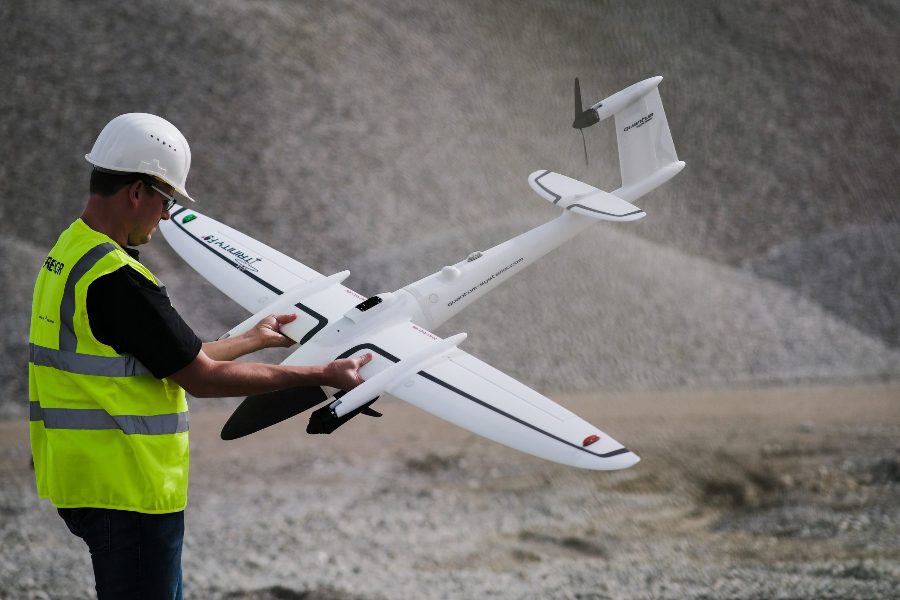
The Trinity F90+
Long-Range and High-Endurance Drones: How Much Do They Cost?
Price range: $15,000 to over $100,000, (depending on flight duration, range, and durability)
For operations that require extended flight times and long-range capabilities, high-endurance drones are essential. These drones are often used in applications such as environmental monitoring, border surveillance, and large-scale inspections, where they need to cover vast areas on a single charge or fuel load.
Example drones:
- SenseFly eBee X. With up to 90 minutes of flight time, this fixed-wing drone is ideal for large-area mapping and environmental studies. It is priced around $15,000 to $20,000, depending on the sensor package.
- Quantum Systems Vector. This long-range drone can operate in fixed-wing mode for endurance or switch to multi-rotor for maneuverability. Its price can exceed $70,000, making it a top choice for complex surveillance missions.
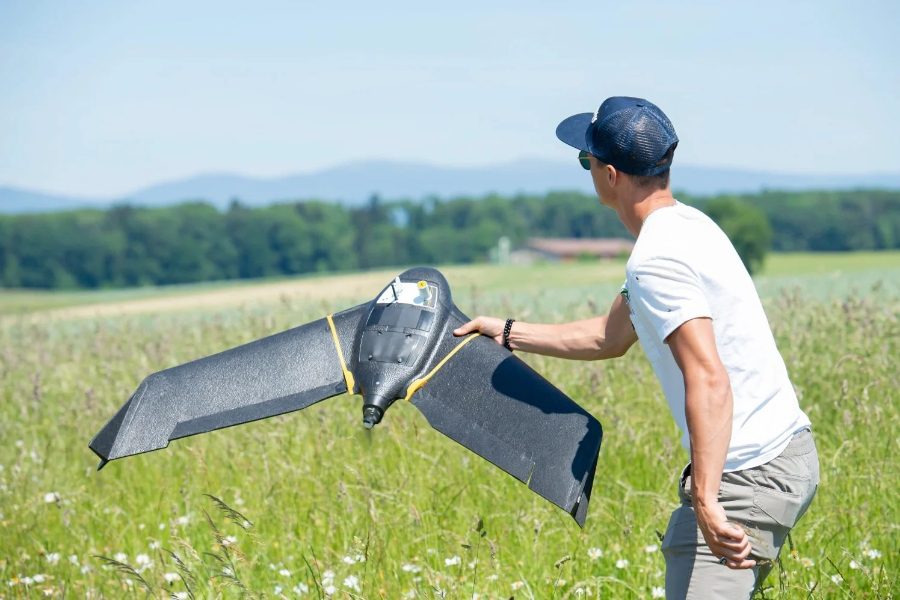
The eBee X
Custom and DIY Drones: How Much Does It Cost to Build a Drone?
Building a custom drone can potentially cut down on costs, while also letting you get exactly what you want.
But just because you build a drone yourself doesn’t necessarily mean it will be cheaper. The cost of building a drone varies significantly based on factors such as component quality, functionality, and skill level.
In this section, we’ll break down how much it costs to build a drone at different levels, from beginner DIY projects to advanced custom builds, by examining the essential components and their associated costs.
The Average Cost of Building a Basic DIY Drone
Price range: $100 to $300 (depending on part quality)
A basic DIY drone is an excellent entry point for those new to drone building. These drones are typically built for recreational purposes, and while they may lack high-end features, they’re affordable and functional for beginner pilots.
Basic DIY drones require the following components:
- Frame. The frame provides the structure for your drone. Entry-level frames are usually made of lightweight plastic or carbon fiber and cost between $20 and $50.
- Motors and propellers. Motors drive the propellers, giving the drone lift. A set of basic motors and propellers costs around $30 to $60.
- Flight controller. The controller is the brain of the drone, allowing for stable flight. Budget-friendly controllers for beginner builds cost approximately $30 to $50.
- Battery and charger. A lithium-polymer (LiPo) battery and charger provide power to the drone. Expect to spend around $20 to $40 for a basic battery and charger setup.
- Transmitter and receiver. The transmitter and receiver are essential for controlling your drone. Basic models start around $40 to $60.
Intermediate DIY Drones: Enhanced Components and Features
Price range: $300 to $800
Intermediate-level custom drones are designed for hobbyists looking for improved performance, stability, and additional features like basic cameras. These drones often require higher-quality components for better flight control and durability.
Key components for intermediate builds include:
- Upgraded frame. Carbon fiber frames provide greater durability and are lightweight, costing around $50 to $100.
- Higher-power motors and propellers. Enhanced motors for more stable flight cost between $60 and $120 for a set.
- Advanced flight controller. Flight controllers with GPS capabilities and stabilization features range from $60 to $150.
- Camera and gimbal. Adding a basic camera and gimbal for stable video can cost an additional $100 to $200.
- Extended battery and charger. Higher-capacity batteries for longer flight times cost around $40 to $80.
Advanced Custom Drones: Parts and Labor Costs
Price range: $1,000 to $5,000
Advanced custom drones are built for professional applications, requiring top-tier components for precise control, extended range, and high-quality imaging. These builds are typically suited for experienced builders who need a high-performance drone for tasks like aerial photography, surveying, or industrial inspections.
Key components for advanced builds include:
- Professional-grade frame. High-strength frames, often designed to withstand rough conditions, cost between $150 and $300.
- Motors and propellers. Powerful, efficient motors designed for long flights and heavy payloads can cost $150 to $300 for a set, depending on quality.
- Advanced flight controller with GPS and LIDAR. Advanced controllers with GPS, obstacle avoidance, and LIDAR capabilities range from $200 to $500, providing precise navigation and stability.
- High-resolution camera and gimbal. For professional imaging, drones often need a high-quality camera and a 3-axis gimbal for stability. These components can cost $500 to $2,000, depending on camera quality and gimbal specifications.
- Long-life battery and charging system. High-capacity batteries and multi-chargers are essential for extended operations, costing between $100 and $300 per battery setup.
- Advanced transmitter and receiver system. High-end transmitters for long-range and stable connectivity cost between $100 and $300.
Maintenance, Repair, and Upgrades: Additional Costs of Drones
Beyond the initial purchase price, drones require ongoing investment for maintenance, repairs, and upgrades.
These additional costs can add up over time and vary significantly depending on the type of drone, usage frequency, and purpose.
In this section, we’ll explore how expensive drones can become when factoring in these ongoing expenses, providing insights into what to expect for each category of upkeep.

Credit: Voliro
The Average Maintenance Cost of Drones
The cost of drones in terms of routine maintenance varies by model and frequency of use, but here are some general estimates:
- Consumer drones. Maintenance is minimal, often limited to occasional firmware updates and minor repairs. Expect to spend about $50 to $100 per year for basic upkeep.
- Professional drones. These drones require more frequent and detailed maintenance, such as recalibration and part inspections, especially if used in demanding environments. Annual maintenance costs can range from $200 to $500.
- Specialty and industrial drones. Drones used for industrial purposes may require professional servicing, costing up to $1,000 or more annually depending on usage and the complexity of components.
Drone Repairs and Replacement Parts
Repair costs can vary significantly depending on the drone’s specifications and the extent of the damage. For example:
- Propeller and motor replacement. These are some of the most commonly replaced parts due to wear and tear. Replacing propellers typically costs $10 to $50, while motors may cost $50 to $200 depending on quality.
- Camera and gimbal repairs. For drones with built-in cameras, repairing or replacing a damaged camera or gimbal can cost between $200 and $1,000, depending on the camera’s quality.
- Battery replacement. Drone batteries degrade over time and may need replacing every 1-2 years, especially for frequently used drones. Replacement batteries cost between $50 and $300, depending on the model and battery capacity.
- Structural repairs. Repairs to the frame or body of a drone, especially in the case of professional drones, can cost $100 to $500 or more if specialized materials like carbon fiber are involved.
The cost of repairs can add up quickly, especially for high-end or professional drones. Investing in extra parts and being prepared for occasional repairs can help ensure your drone remains operational and safe for use.
Upgrading Drones: How Much Does It Cost?
Upgrades can vary widely in cost, depending on the component being replaced or added:
- Camera upgrades. Upgrading to a higher-resolution camera or adding specialized imaging features, such as thermal or multispectral sensors, can cost between $500 and $2,000.
- Software upgrades. Some professional drones offer premium software features, such as advanced mapping or real-time analytics, often available as a paid upgrade or subscription. These software upgrades can cost $100 to $500 per year.
- Battery upgrades. For extended flight time, high-capacity batteries or additional backup batteries may be purchased, costing $100 to $300 each.
- Range extenders and controllers. Upgraded transmitters or range extenders can improve the drone’s range and responsiveness, with prices ranging from $50 to $300.
While upgrades can be costly, they allow drone owners to stay current with the latest technology, enhancing the functionality and performance of their equipment for specialized applications.
Drone Pricing FAQ
How much do drones cost on average?
The average cost of drones varies significantly depending on the type and purpose. Consumer drones typically range from $300 to $1,500, while professional drones can cost anywhere from $1,500 to over $10,000. Beginner drones can be as low as $50, making drones accessible for all budgets.
How much is a high-end drone?
High-end drones, often used in professional or industrial settings, usually start around $5,000 and can exceed $50,000. These drones come with advanced features like high-resolution cameras, LIDAR, or thermal imaging, suitable for specialized applications.
What factors influence drone costs?
The cost of drones depends on several factors, including camera quality, battery life, flight range, and added functionalities such as GPS, obstacle avoidance, or specialty sensors. The type of drone and intended usage also play significant roles in determining the price.
Are there financing options available for expensive drones?
Yes, many retailers and manufacturers offer financing options for high-cost drones. Some financing plans include monthly payments or leasing arrangements, making it easier to afford a professional or specialty drone.
How much does it cost to build a custom drone?
The cost of building a custom drone can range from $100 for basic DIY kits to over $5,000 for advanced custom builds. The total cost depends on the quality of the components, such as the frame, motors, camera, and other specialized features.
Is it expensive to maintain a drone?
Maintenance costs vary based on the type of drone and frequency of use. Consumer drones might require only minimal upkeep, costing $50 to $100 annually, while professional drones can have maintenance costs up to $500 or more per year.
How much do drone repairs typically cost?
Drone repair costs vary widely based on the type of damage. Minor repairs, such as propeller replacements, can cost as little as $10 to $50, while major repairs, like replacing the camera or gimbal, can cost between $200 and $1,000.
Are software upgrades for drones expensive?
Some drones offer optional software upgrades or subscriptions for advanced features like mapping or data analytics. These upgrades can cost between $100 and $500 annually, depending on the capabilities and the drone’s brand or model.